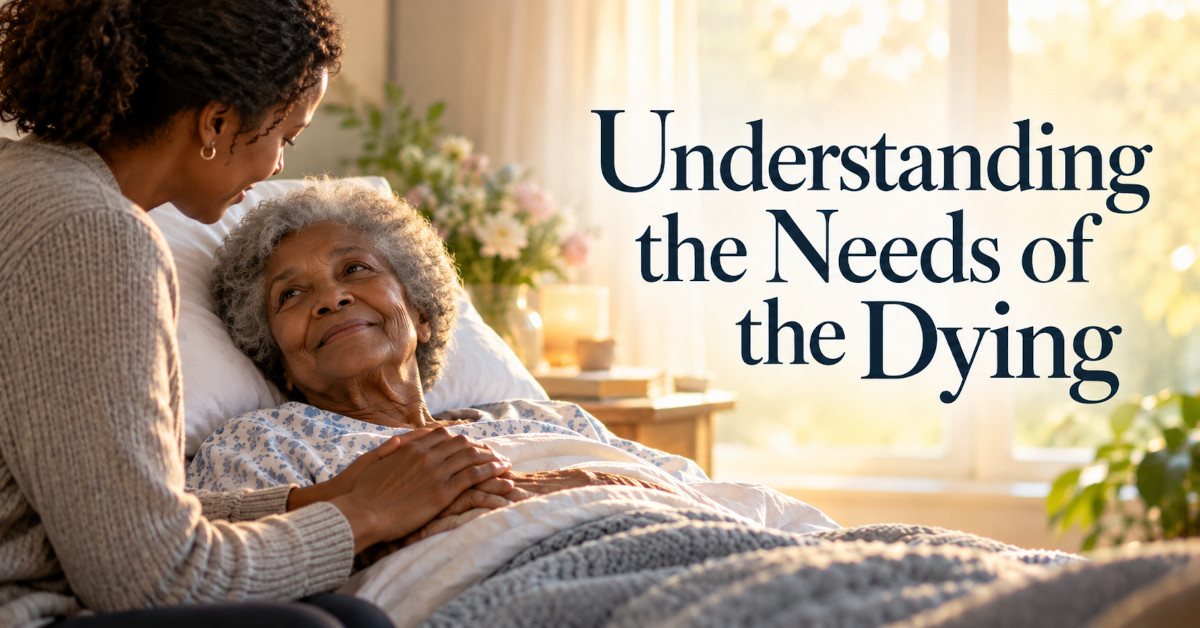
Understanding the Needs of the Dying – Free Clinician Training with David Kessler
Being with someone who is dying asks for something different from having the right answers. It calls for presence, sensitivity, and the willingness to see a person as fully alive while facing the realities of the end of life.
Understanding the Needs of the Dying with David Kessler, MA, RN, FACHE, offers practical education for helping clients bring hope, comfort and love to life’s final chapter.
Drawing on Kessler’s decades of work with people at the end of life, the training examines core needs of the dying, deathbed visions, anticipatory grief, advance directives, cultural differences, ethical considerations, support for grieving children, and medical aid in dying.
The focus is educational and practical: how to approach difficult conversations, honor hope without reinforcing denial, recognize the emotional realities surrounding death, and navigate complex end-of-life decisions with discretion.
Why Attend “Understanding the Needs of the Dying”
End-of-life care can bring questions that do not have simple answers. Professionals may need to help people and families navigate fear, hope, uncertainty, grief, changing physical needs, and difficult decisions while remaining attentive to each person’s wishes.
David Kessler presents a structured approach to these moments, grounded in his work with dying people and their families. The training looks at how to support emotional expression, participation in care, hope, communication, and dignity without reducing the experience of dying to a checklist.
You will also examine areas that can be especially difficult to discuss, including deathbed visions, advance directives, ethics consultations, cultural differences, withdrawing care, assisted suicide, and the needs of children who are grieving.
Who Should Attend
This training is designed for professionals who work with dying people, grieving families, or end-of-life decisions and want a clearer framework for responding to the emotional, clinical, ethical, and relational complexity of that work.
The material is especially relevant for people working in hospice, palliative care, mental health, medical settings, case management, discharge planning, and other roles where conversations about death, grief, advance directives, family needs, and cultural differences may arise.
- Therapists, counselors, and other mental health professionals
- Hospice and palliative care professionals
- Physicians and nurses
- Social workers and case managers
- Discharge planners
- Clergy and other professionals supporting people and families through end-of-life experiences
- Professionals who want practical tools for difficult conversations about death and dying
- People whose work includes anticipatory grief, family support, or bereavement care
What You’ll Learn
The training begins with the needs of dying people and the families around them, then moves through practical questions that can arise across hospice, palliative care, mental health, and medical settings.
You’ll explore physical and emotional changes near the end of life, death-related sensory experiences, advance directives, anticipatory grief, support for children, ethics consultations, hope, cultural differences, and medical aid in dying.
The emphasis is on thoughtful clinical and relational judgment: understanding what may be happening, communicating with sensitivity, and supporting people and families without assuming that one approach fits every situation.
- How to recognize and respond to core needs of a dying person, including hope, emotional expression, and participation in care
- Ways to prepare families for physical and emotional changes associated with impending death
- How deathbed visions and near-death awareness may appear in end-of-life care
- Considerations surrounding advance directives, code status, D.N.R., and allow-natural-death decisions
- How anticipatory grief can shape the experience of patients, families, and care teams
- Ways to prepare and support children who are facing a significant loss
- How ethics committees may be used in difficult end-of-life situations
- Approaches to honoring hope without reinforcing denial
- How cultural differences can affect communication, care, and family expectations
- Clinical and ethical considerations related to withdrawing care, assisted suicide, and medical aid in dying
About David Kessler
David Kessler is an author and educator whose work centers on grief, loss, and the end of life. His experience includes supporting thousands of people on the edge of life and death and teaching physicians, nurses, counselors, police, and first responders about grief, trauma, and end-of-life care.
He is the author of six books, including Finding Meaning: The Sixth Stage of Grief, Visions, Trips and Crowded Rooms: Who and What You See Before You Die, and The Needs of the Dying. He also co-authored Life Lessons and On Grief and Grieving with Elisabeth Kübler-Ross, and You Can Heal Your Heart with Louise Hay.
Kessler is the founder of Grief.com and created Tender Hearts, an online grief support model. His work also includes volunteer and board service connected with Project Angel Food, The Farrah Fawcett Foundation, the Los Angeles Police, and the Red Cross.
Frequently Asked Questions
Select any question below to reveal the answer.
Is this training right for me?
Is this event really free?
What will I learn during this training?
Who is David Kessler?
Does the training cover deathbed visions?
Will advance directives and code status be discussed?
Does the training address anticipatory grief?
Will I learn how to support children facing a loss?
Are ethics and family disagreements covered?
Does the training discuss hope and miracles?
Are cultural differences included?
Does the training address medical aid in dying?
The contents of this website/e-mail and this event are for general informational and educational purposes only. They are not legal, tax, accounting, financial, employment, compliance, clinical, or other professional advice. Consult appropriately qualified professionals about decisions specific to your practice, jurisdiction, clients, and circumstances.
We are grateful to be of service and bring you these life-changing events free of charge. In order to do this, please note that whenever you click the links and purchase items, in most (not all) cases we will receive a referral commission. We may receive a listing fee for publishing this event.
Your support in purchasing through these links makes it possible for people in over 150 countries globally to attend these life-changing events for free. Thank you!
Join David Kessler for practical education on the needs of dying people, family support, grief, communication, ethics, and end-of-life decision-making.
- Feb 02 2027
- 8:30 am - 12:45 pm
Local Time
- Timezone: Asia/Shanghai
- Date: Feb 03 2027
- Time: 12:30 am - 4:45 am
More Info
- Worldwide